January 20, 2025
BuddhismQ&A
BuddhismQ&A Shukubo and Omiage
Japanese pilgrimages are never just about visiting a temple or shrine. They are total experiences that mix religious duty with fun, good food, and life on the road with fellow human beings, where all the vexing problems of any given moment ripen over time into warm treasured shared memories.
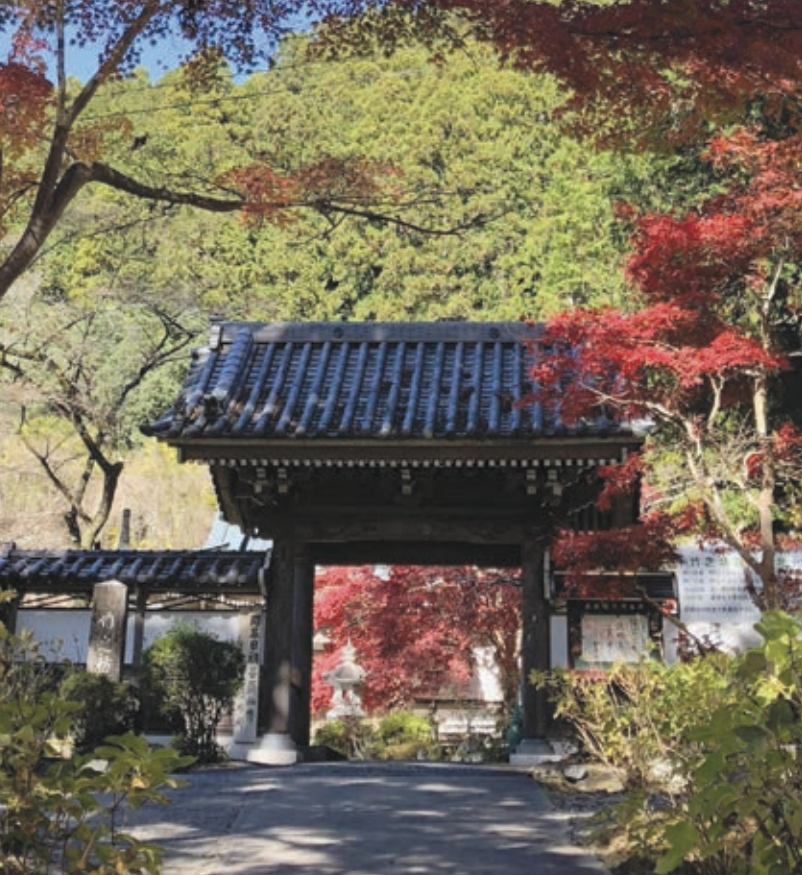
Shukubo is a lodging for pilgrims attached to a famous temple or shrine, but not all temples with a ‘bo’ character in the name indicate a lodging. One example is Hongyoji Daibo in Ikegami Honmonji where Nichiren Shonin passed away. In this case, bo was attached to the name to indicate it was the former residence of Lord Munenaka Ikegami.
Shukubo flourished in Japan towards the end of the Edo period and Nichiren temples were no exception. In the Minobusan area alone, there were about 180 shukubo. They were spread out far and wide compared to what you can see today clustered around Kuonji temple. Since the late Edo and early Meiji days, the number of Minobusan shukubo has slowly declined to the current 32. Fewer pilgrims visit them, and fewer people are left in rural areas to take care of them.
An interesting side story is that temples and shrines in rural areas had many shukubo, while famous temples in big cities like Ikegami Honmonji had few, if any, which makes sense as people of those times wanted to travel, and this was encouraged by government officials, because traveling people meant money flowing into local economies.
Which brings us to Omiage, the ubiquitous souvenir stores that line the approach to any famous temple or shrine. Pilgrims buying presents supported both merchants and the temple as the temple charged rent. Edo merchants also had a keen sense of ‘branding’ which you can see today in all kinds of famous local foods and souvenirs, but there was also a sense of sharing, because not everybody could afford travel. Buying ‘omiage,’ as the sound of the name, but not the kanji characters, suggests, was a way to share the travel experience with family, friends, and neighbors, who then returned the favor, and the fun, when they in turn traveled on a pilgrimage. Sharing good things around to all is Buddhist ‘en’ in action, even when it involves money and commerce.