January 20, 2025
BuddhismQ&A
The Title of the Lotus Sutra
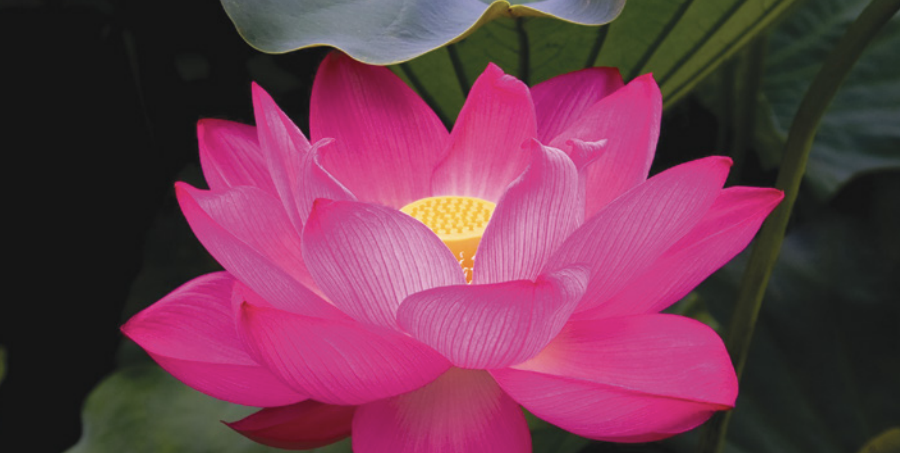
The title of the Lotus Sutra in Sanskrit is Saddharma-punadarika-sutra, which means, “The Sutra of the Lotus Flower of the Wonderful Dharma.” The lotus flower is considered sacred in India, and there are red, white and blue varieties. A cool pond is a paradise for all creatures in the hot climate of India. So from ancient times, lotus flowers blooming on the surface of a pond have symbolized paradise.
Lotus roots are a vital and healthy food in Japan. Their stems grow up out of the mud toward the surface of the water. The leaves spread out over the whole surface of the pond. Then, the beautiful lotus flowers bloom, floating upon the water. Even though the lotuses grow out of the mud, they are not stained or muddy.
The lotus is compared to a believer of the Lotus Sutra. Our confusion and stress of daily life is like the mud, because of the delusions within our minds. However, if we believe in the sutra and live properly, we will escape the stains of that muddiness. The flowers of the lotus blossoms are likened to the signs of Buddha’s wonderful world, which can appear in our lives.
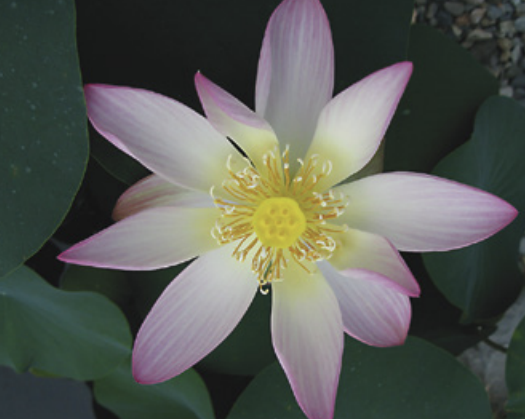
After their flowers bloom, trees will bear fruit. Apples, oranges and cherries are the same. After flowers bloom on plants as well, those plants then grow vegetables, like cucumbers and eggplants. But, the lotus is different. When the flowers of the lotus bloom, the lotus prepares for the fine rhizomes in the base under the petals. The Lotus Sutra reveals that the awakening of Buddha is part of the beginner’s mind even from the time of the sprouting of faith. Just as the lotus blossoms and bears fruit at the same time, so the practitioner of the Lotus Sutra unites within him or herself the causes and effects of Buddhahood. The Lotus Sutra is the most wonderful sutra of all the sutras for this reason.
We always welcome questions about Buddhism from our readers. Please send your questions by e-mail to editor-nichirenshunews@nichiren.or.jp or contact us through your local temple.