January 20, 2025
GREAT FIGURES WHO HAD FAITH IN NICHIREN SHU GREAT FIGURES WHO HAD FAITH IN NICHIREN SHU (2)
By Rev. Sensho Komukai
Hon’ami Koetsu (1558-1637) was born in Kyoto and established a reputation in various art fields such as calligraphy, pottery, lacquerware, painting, and tea bowls from the Azuchi-Momoyama period to the early Edo period.
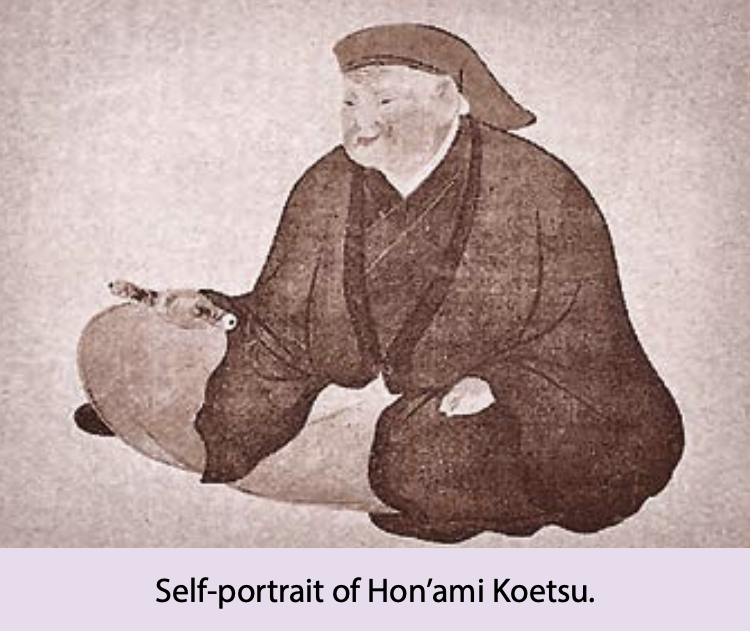
For generations, the Hon’ami family had dedicated their faith to Nichiren Shu. His mother, Myoshu, was an especially devout follower. She was bright and intelligent, and though she was a wife in a wealthy family, she led a modest life, never showing off. She taught her children manners with deep affection and strictness. Koetsu was greatly affected by his mother on his view of life and faith. He hated to cater to the authorities. He did not want to act through mercenary motives when creating art. He sincerely kept his faith in the Lotus Sutra and Nichiren Shu.
In 1615, he was granted a site at Takagamine in the northern suburbs of Kyoto by Tokugawa Ieyasu, the founder of the Tokugawa Shogunate. The site was about 1200 feet from east to west and a half mile from north to south. He founded an art village based on faith in the Lotus Sutra. He didn’t want a place where people would just pray for rebirth in the Pure Land of the next world. At Takagamine, he wanted to open the Land of Eternal Tranquil Light, as Nichiren Shonin insisted that the Land of Eternal Tranquil Light is no other place than in the Saha world, the very land we live in.
Those who moved into the art village of Koetsu were all Nichiren Shu followers. 56 houses and four temples were built. People took turns reading the Lotus Sutra and chanting the Odaimoku all the time. He felt that the village was an ideal world based on a phrase in Chapter 5 of the Lotus Sutra, “The Simile of Herbs,” “All the plants, though different in names and forms, were given water by the same rain from the same cloud and grew differently according to their species.” As in the sutra, many artistic talents flourished in this art village of Koetsu.
In Koetsu’s name, “Ko” means “light” in English. He took this from the Land of Eternal Tranquil Light. “Etsu” means “rejoicing,” which was taken from a phrase in “The Simile of Herbs,” in the Lotus Sutra that says, “Lightning flashed and thunder crashed in the distance, causing people to rejoice.”
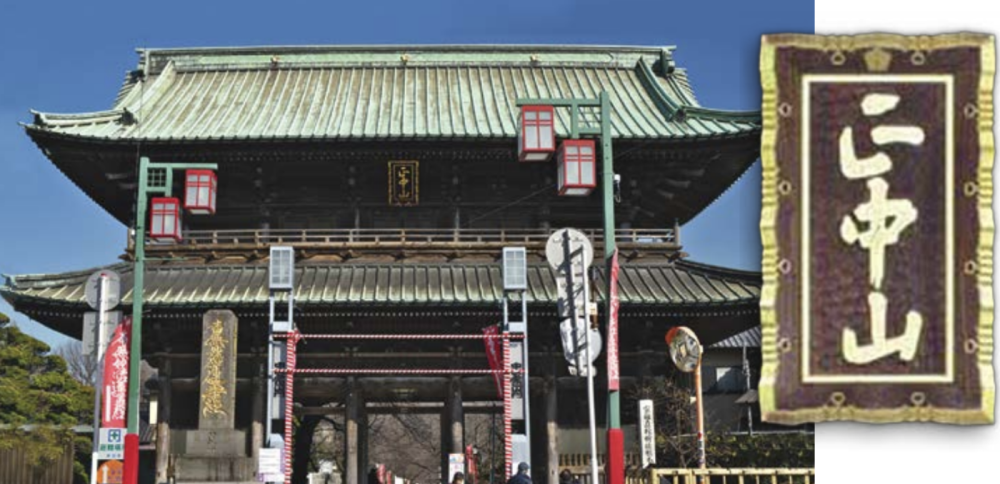
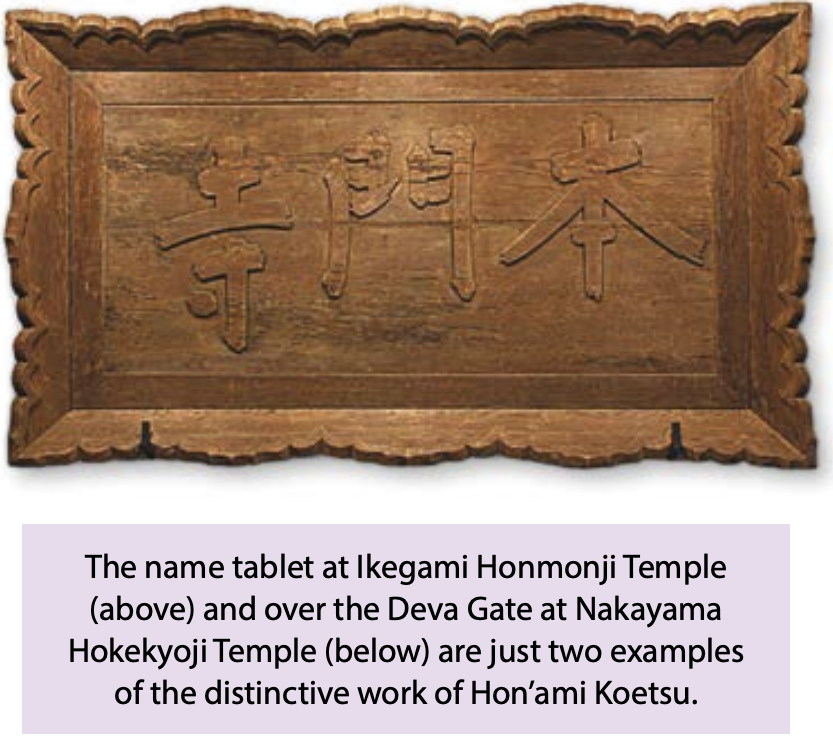
When requested, Koetsu wrote copies of Rissho Ankoku-ron (Treatise on Spreading Peace throughout the Country by Establishing the True Dharma) and Nyosetsu Shugyo-sho (The Way of Practicing the Teaching of the Buddha). He did calligraphy and donated many tablets with temple’s names on them. Some still exist today, such as the tablet hanging above the front gate of Ikegami Honmonji Temple and the honorific mountain prefix (San Go) at the Deva Gate of Nakayama Hokekyoji Temple.