January 20, 2025
GREAT FIGURES WHO HAD FAITH IN NICHIREN SHU GREAT FIGURES WHO HAD FAITH IN NICHIREN SHU (7)
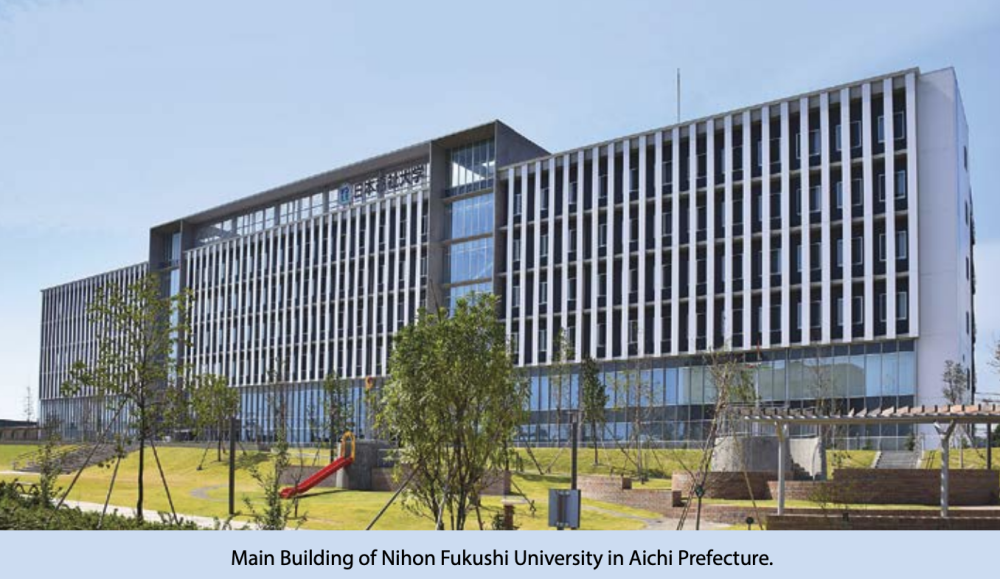
NIHON FUKUSHI UNIVERSITY ESTABLISHED BY REV. SHUGAKU SUZUKI
By Rev. Sensho Komukai
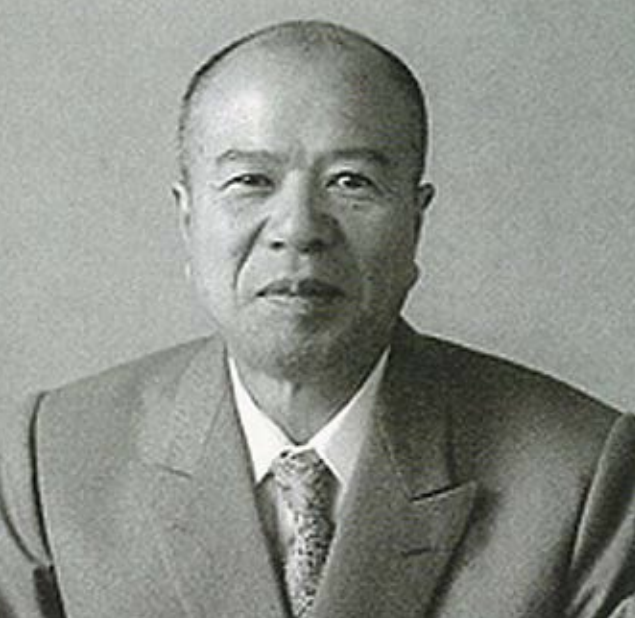
Rev. Shugaku Suzuki (1902-1962) was born in Aichi Prefecture. His parents operated a business in the wholesale confectionery trade. He took over the family business and had considerable success in the bakery business. However, he never felt happy, repeatedly asking himself, “For what reason was I born? Am I going to die with my heart unfulfilled? What is happiness which we can’t buy with money?”
When he was 23, his uncle introduced him to a lady named Tatsuko Sugiyama who had established a Buddhist aid society that worked to provide social welfare services based on faith in the Lotus Sutra. When he confided his anxieties to Tatsuko, she answered, “If you want to be satisfied with your life, you will need to sow the seeds of happiness through the teachings of the Lotus Sutra. The best way is to bring up orphaned children and help them to have a happy life. I am carrying a heavy load, and I’d like you to help carry the burden. Can you do this for me?” Her request was made in such a serious manner that he was sure it would be a great mission, so he decided to accept her offer.
He was appointed to operate a farm in an offender rehabilitation facility, where he took on 17 youthful offenders and lived together with them to do farm work. He also undertook the running of a foster home for orphaned children, children abused by their parents, children sold to the circus, and handicapped children. Together with the children, he worked hard in the fields to cultivate rice and other crops.
He never scolded the children, but rather praised them all the time. Of this, Suzuki said, “Children who had been abandoned or abused by their parents are always frightened and lack confidence. Praise them when they do something good, and they will become gentle and honest. Children can place their full trust in those who give them a compliment.” This firm belief he had was based on the Lotus Sutra, where the Buddha said, “I would cause all living beings to become exactly as I am.” Suzuki explained further, “All living beings who are born in this world are children of the Buddha. According to the Lotus Sutra, anyone, including the mentally handicapped, can equally attain Buddhahood, and everyone is entitled to attain real happiness. The Buddha shows all of us the right path to awakening and tries to make our Buddha-nature blossom.” As Suzuki treated every child without discrimination, he was respected and trusted by everyone.
When World War II ended in 1945, there were more than 120,000 children who were orphaned by the war throughout Japan, but orphanages only had the capacity for 20,000 children. Suzuki took many parentless children under his wing, but over 100,000 war orphans were left unattended. To overcome this miserable situation, Suzuki made every effort to develop better social welfare services for these poor children. He worked hard to secure protective institutions, establish care at an early age, and provide an education for the children.
In 1946, Suzuki became a Nichiren Shu priest. Four years later, Rev. Suzuki entered the 100-day aragyo ascetic training at the age of 49. He completed the aragyo training three times. “I would like to learn the Lotus Sutra more intensively, so that the seed of happiness may be sowed for the children. It is best for me, therefore, to become a Nichiren Shu priest and work hard to carry out Buddhist practice. It is my duty as a Buddhist minister to lead people to the path of righteousness. It is important to take the initiative in practicing the right teachings. You have to be a good example for the children. You must train yourself to be a role model. The aragyo training gave me a good opportunity to discipline myself.”
As Rev. Suzuki continued to promote social welfare work, he was convinced that development of human resources would be necessary for future social welfare. To meet that need, he decided to establish a university to train leaders who could be engaged in social welfare. In 1957, he established a four-year university called Nihon Fukushi University in Nagoya in Aichi Prefecture. The university specializes in social welfare education. Since that time, more than 60,000 students have graduated from the university, pursuing various careers in social welfare.