January 20, 2025
GREAT FIGURES WHO HAD FAITH IN NICHIREN SHU GREAT FIGURES WHO HAD FAITH IN NICHIREN SHU (9)
JOKAN MANDAI (1675-1712) WHO HELPED INCREASE THE ITINERANT MEDICINE TRADE
By Rev. Sensho Komukai
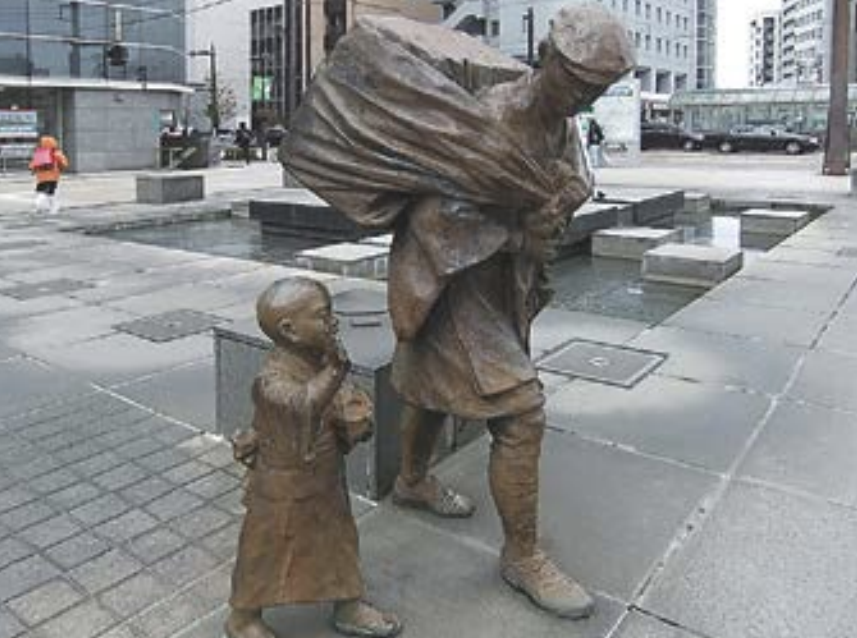
In the New Year of the Edo Period in the late 17th century, a feudal lord (daimyo) had a severe stomachache in the Edo-jo Castle. He looked very pale. The pain was so excruciating that he burst out in a cold sweat all over his body. Unable to stand seeing him writhing in pain, Lord Masatoshi Maeda, daimyo of Toyama Domain, took out a medicine from his basket and gave it to him. Immediately, the daimyo in pain recovered. Other feudal lords from various provinces stared in wonder at how effective the medicine was. They all wanted to know the name of the medicine and pleaded with Lord Maeda to provide some medicine for them in preparation for a sudden illness. The medicine Lord Maeda gave was called han-gon-tan, literally meaning “a pill to bring one back to life” (han, to revive; gon, a soul or a spirit; and tan, a pill). Most of the daimyo earnestly requested someone from Toyama to come to their domains to sell the medicine.
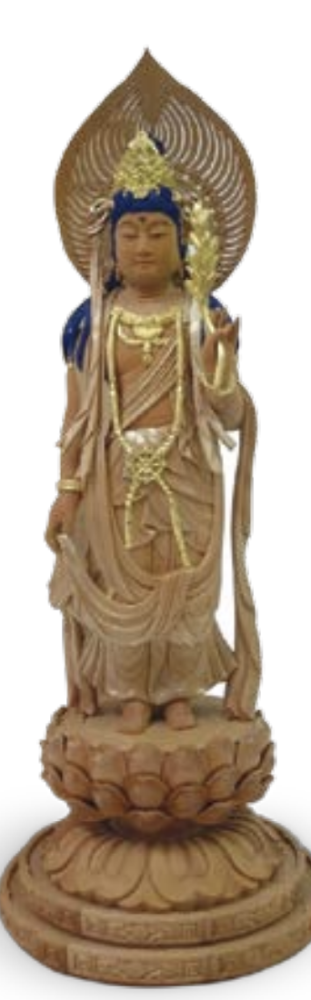
The han-gon-tan medicine originated in Okayama Domain of Bizen Province. Jokan Mandai, the doctor of the domain, after traveling around the whole country, stayed in the castle town of Toyama. Lord Masatoshi Maeda, who happened to hear of the effective medicine, entreated Jokan to produce more han-gon-tan medicine. The medicine had been a wonder drug originally made according to a secret inherited recipe and never allowed to be taken out of the feudal domain. Dr. Mandai, however, made the han-gon-tan medicine and presented it to Lord Maeda. He had great faith in the Lotus Sutra, especially in Chapter 23, “The Previous Life of Medicine-King Bodhisattva,” which says, “This Sutra is a good medicine for disease, saving all living beings from all sufferings and from all the bonds of birth and death.” He even carried a statue of Medicine-King Bodhisattva with him at all times. With the spirit of Medicine-King Bodhisattva, Dr. Mandai was determined to produce the medicine from his ardent desire to help those suffering from acute illness.
Lord Maeda was impressed with the doc tor’s u nsel f i sh d isposit ion, much like a bodhisattva. Considering it highly important to extend medical aid to all the poor a nd isolated villages where no one had ever shared in the benefit of medical services, he adopted a method of selling medicine known as “use first, pay later” system, in which a peddler put different kinds of medicine in a chest and delivered it to a customer’s house. A charge for the used ones would be paid for on the peddler’s next visit. Thus, the itinerant trade system of selling medicine started, and it became a common sight that itinerant medicine peddlers from Toyama traveled around the country.
Dr. Mandai produced the han-gon-tan medicine to save many lives, and he was held in high esteem as a contributor to the growth of the itinerant medicine trade in Toyama. When he passed away, the medicine peddlers in Toyama wished to receive some of his remains, and they entombed them in Myokokuji Temple in Toyama City. Memorial services for expressing gratitude toward him are still held at Myokokuji Temple every year on June 5. Those involved in the pharmaceutical industry come to attend the service to prai