January 20, 2025
BuddhismQ&A
Are hardships necessarily the effect of “karma,” or actions done in past lives?
It may surprise people to learn that on several occasions Shakyamuni Buddha rejected the view that everything is determined by karma. In one such instance, the wanderer Sivaka asked the Buddha whether everything a person experiences is the result of what was done in the past. In his reply to Sivaka (Connected Discourses 36.21), the Buddha asserted a variety of other causes and conditions besides karma that contribute to what is experienced in the present. Pali commentaries on the Buddha’s discourses later enumerated five types of causation: (1) inorganic change, (2) biological processes, (3) non-volitional mental processes, (4) volitional activity, and (5) the selfless activity of awakened beings. It is the fourth type of causation, volitional activity, that refers to the law of karma, whereby wholesome deeds lead to pleasant fruitions, and unwholesome deeds lead to unpleasant fruitions.
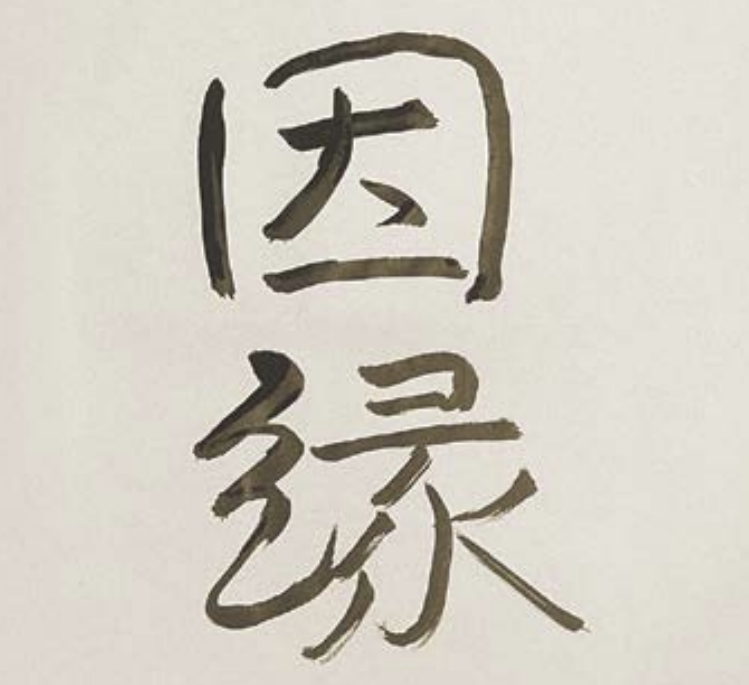
Nichiren Shonin also acknowledged that karma was not the only cause of misfortune and hardships. In a letter, A Reply to Lay Priest Lord Ota (Ota Nyudo-dono Gohenji), Nichiren Shonin wrote about the causes of illness to a sick lay follower. He cited the teaching of Great Master Tiantai in The Great Calming and Contemplation that there are six possible causes: (1) disharmony among the four elements (earth, air, fire, and water), (2) immoderate eating and drinking, (3) inconsistent practice of meditation, (4) problems caused by a demon, (5) actions of a heavenly demon, and (6) karmic retribution.
We might come up with different ways of classifying or naming the factors that bring about illness as opposed to medieval scholastic Buddhist categories (e.g., we might talk about stress or toxins in the environment rather than demons for instance), but the point is that according to the teachings of Shakyamuni Buddha, Grand Master Tiantai, and Nichiren Shonin, phenomena have a variety of causes and conditions of which the outcome of past karma is just one contributor. The fruition of karma may be a decisive factor, and most relevant in many cases, but that is not something we should presume without the insight of a sage, an advanced bodhisattva, or a buddha.
While present circumstances have at least partially been determined by past actions, the important thing to understand as Buddhist practitioners is that, in each moment, we have the freedom to determine our present actions. We can choose to either reinforce old karmic patterns and bind themselves more closely to unwholesome patterns of cause and effect, or we can forge new, more liberating ways of being in the world and cultivate wholesome patterns of cause and effect that will ultimately unbind us from those old karmic patterns. Our practice of chanting the Odaimoku is aimed at helping us develop the wisdom to cultivate the latter more responsible, awakened, and liberating course.
We welcome readers’ questions about Buddhism and Nichiren Shonin. Please send us your questions by e-mail to editor-nichirenshunews@nichiren.or.jp or contact us through your local temple.